
GEN3 64

Meets the latest edition of SAE AMS 1435
GEN3 64 is the third generation of runway de-icing fluids, a unique patented combination of non-toxic freeze point depressants. It is proven at airports worldwide to give exceptional de-icing and holdover performance, opening runways faster and keeping them operational for longer. In addition GEN3 64 significantly reduces the high costs of corrosion to GSE and aircraft. GEN3 64 meets FAA’s required latest edition of AMS 1435 specifications.
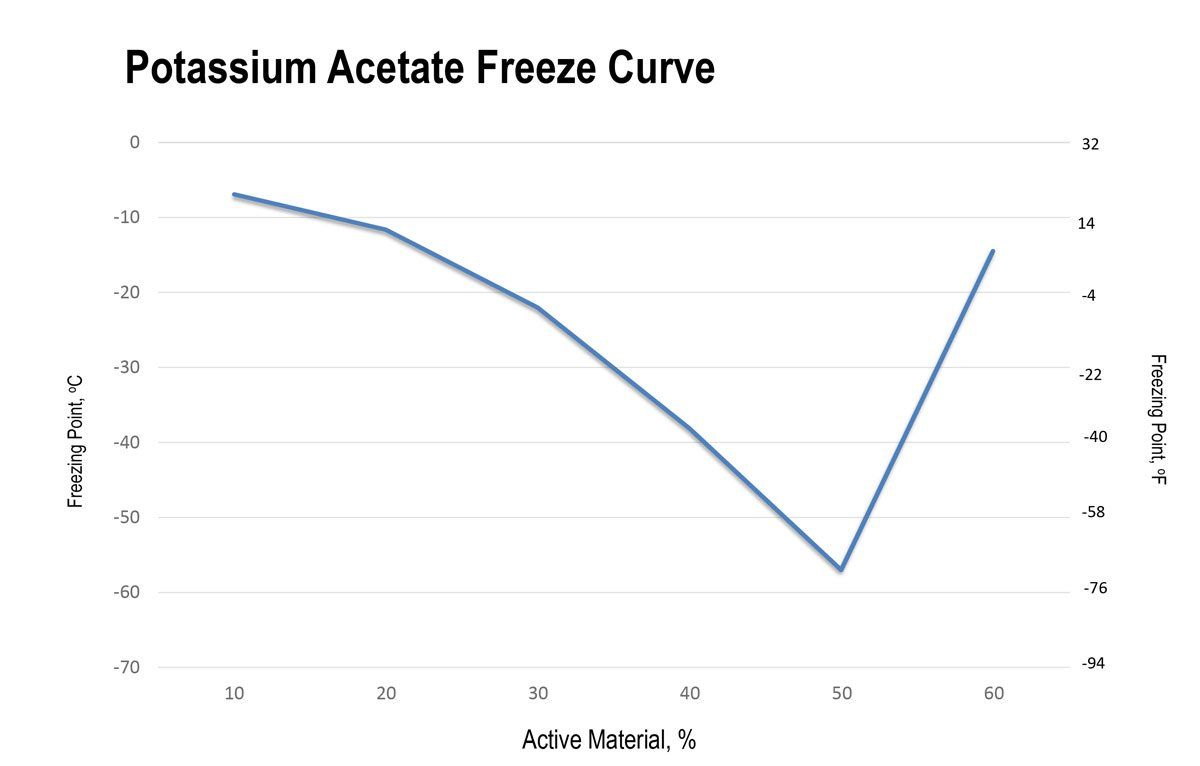
Typical Properties
Active Ingredients:
Potassium Acetate based
pH:
10.0-11.0
Specific Gravity @ 20°C:
1.24-1.27 kg/L
Density, lbs/gal @ 20°C:
10.33-10.58
Appearance:
Clear, blue liquid*
Viscosity: 65 cP at 32°F (0°C)
Odor:
Odorless
Freezing Point: -54°F (-48°C)
BOD (5 day), g O2/g of fluid:
0.30
COD, g O2/g of fluid:
0.60
Application Rates
This chart is designed to be used as a guideline for general airport runway de-icing and anti-icing. Your situations will always very depending on relative humidity, dew point, and wind conditions. When de-icing, it is best to start with a rate of 12 to 20 mls per square meter (0.33 to 0.5 gallons per 1000 square feet). Adjustments, plus/minus can be made from there.
Recommended Application rates in milliliters per square meter of pavement:
Recommended Application rates in gallons per 1000 square feet of pavement:
Anti-icing:
When expectations of freezing rain or wet snow, use 13 to 19 mLs per square meter (0.328 to 1.2 gallon per 1000 square) of pavement.
NOTE: GEN3 64 alone will not penetrate black ice layer unless accompanied with NASi SF solid which will melt into the ice surface, allowing the liquid to penetrate between the pavement surface and layer of ice which can then be easily broomed. Allow enough time for NASi SF to penetrate the snow pack or ice before plowing or brooming. NASi SF penetrates faster at higher temperatures. it also has a residual effect once the frozen precipitation has been removed; it is best to reapply when snow/freezing rain first starts accumulating to keep it from bonding to the surface.